Within the Great Smoky Mountains National Park, just around the corner from the visitors center on the southern edge, sits the Mingus Mill, a water-powered mill from the 1880s that is a popular stop for touring families driving through the park.
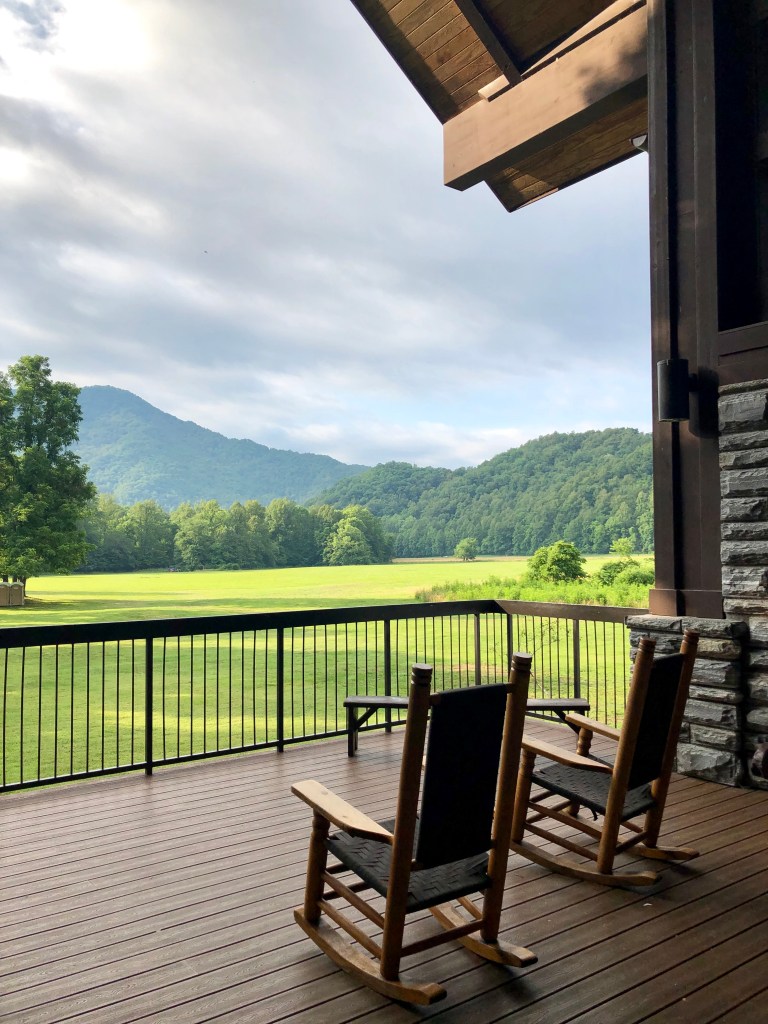
There is a nondescript trail that takes off from its small parking lot, on the opposite direction, and heads up a small hill that leads to the Mingus Slave Cemetery.
The cemetery sits in a quiet, mossy clearing in the woods and is unlike any that I’ve written about here before. The ground is not typically even, propped up by evenly spaced, hidden caskets six feet below. There are no finely cut markers with dates or names, let alone a fanciful verse or a carved angel. There is no gate, nor a sign warning visitors that they have entered hallowed ground.

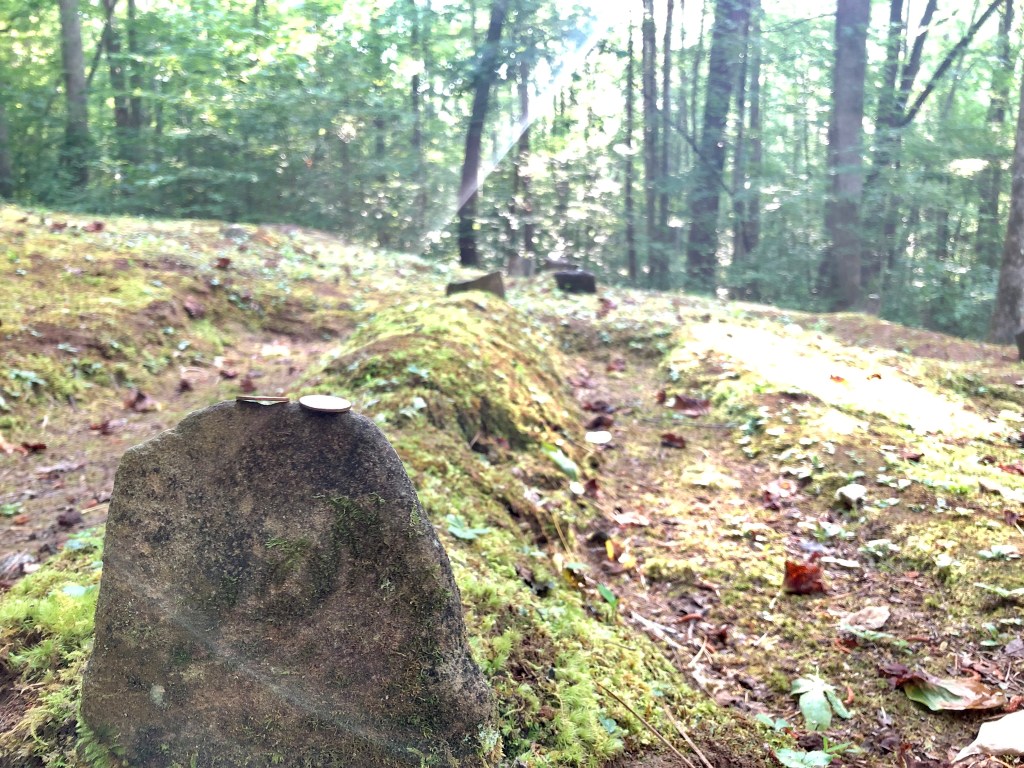
Instead, you find the clearing covered in an imperfect grid of mounds about the size of a human body, roughly a foot or two apart, book ended by two small stones, one by the head and one under the feet.
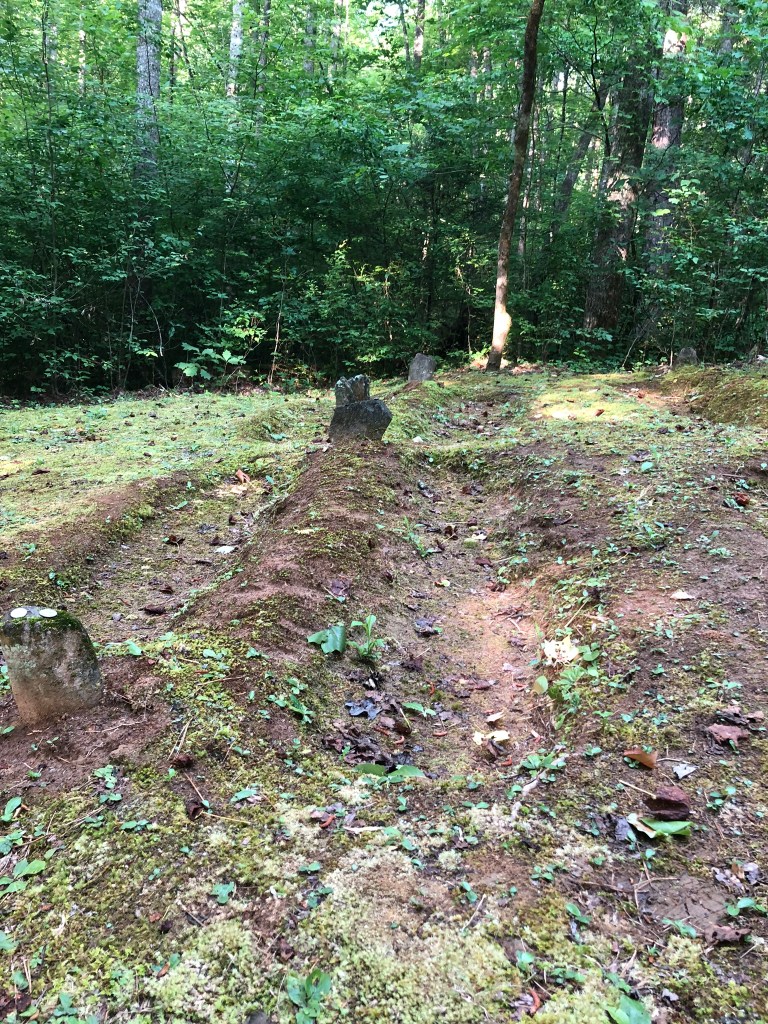
And you find pennies.

On this hot June morning, nearly every small stone marker had an upside-down coin gently placed atop its roughly cut domed top. It was a bit of a windy day, and yet still, these coins remained in their precarious places, left by respectful visitors helping these souls pay the ferry to the afterlife in the underworld upside down of our own.
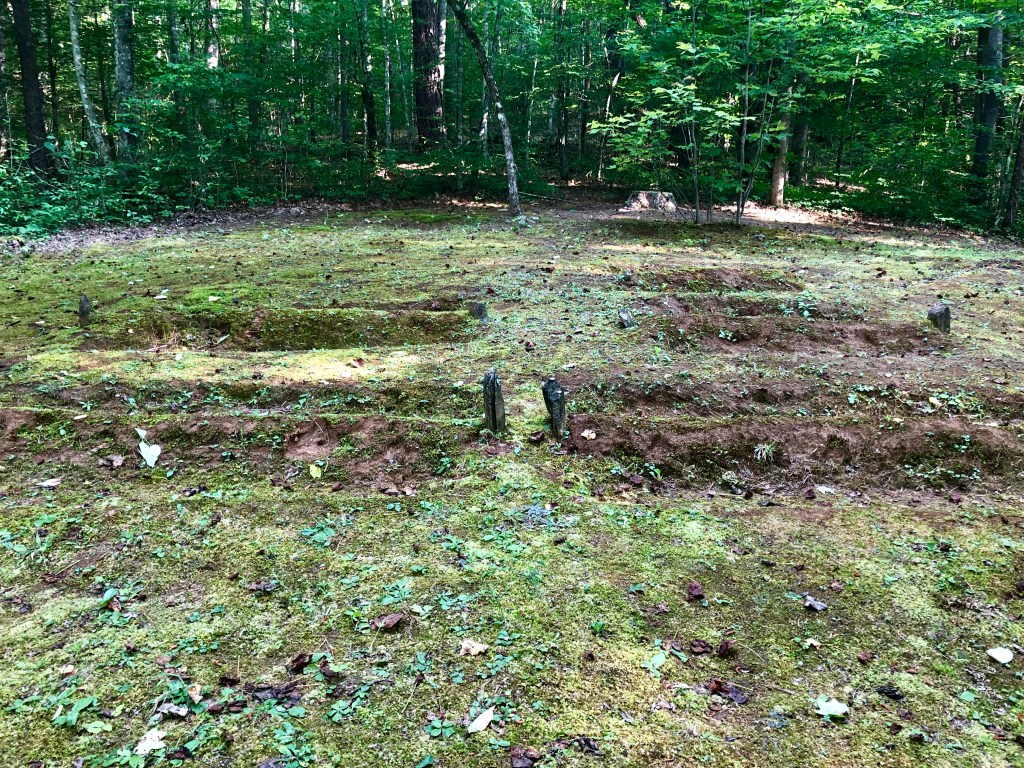
And there are souls here.
Their names and stories may be forgotten, but their souls are remembered here and visitors continue to pay their respects here which is something to be glad of.

 vicesandgraves.com